In modern FMCG, scale is no longer defined only by output. It is defined by responsibility.
As consumer expectations evolve and regulatory frameworks mature, manufacturing is being reassessed not merely as a cost centre but as a long-term value creator. The companies that will lead the next decade are not those that expand fastest, but those that build responsibly, optimise consistently, and improve deliberately.
Responsible manufacturing is not built through sweeping declarations. It is built through disciplined, incremental changes, each small in isolation, but transformative in aggregate.
Efficiency as Stewardship
Operational efficiency is often framed in financial terms. Yet in reality, it is an act of stewardship.
Small improvements in machine calibration reduce energy waste. Preventive maintenance reduces material loss. Process optimisation minimises downtime as well as overproduction. Even marginal improvements in yield can significantly lower the environmental footprint when multiplied across large production volumes.
A 1% improvement in energy efficiency or packaging reduction within a high-volume FMCG environment can translate into considerable annual savings in raw materials, fuel consumption, and emissions.
Responsible manufacturing begins with measurement. It advances through systems.
Waste Reduction Through Process Discipline
Waste is rarely the result of a single failure. It is usually the outcome of fragmented oversight.
Structured production planning, better demand forecasting, and tighter inventory controls reduce obsolescence and spoilage. Lean manufacturing principles ensure that raw materials are utilised fully, with minimal residual loss.
Packaging redesign, often perceived as a branding exercise can also reduce plastic intensity, transportation weight, and overall carbon footprint without compromising product integrity.
The impact is cumulative. What appears operationally minor becomes environmentally meaningful.
Technology as an Enabler of Accountability
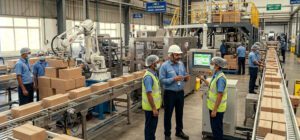
Automation and digital monitoring systems have redefined quality control. Real-time production tracking improves traceability, ensures batch consistency, and reduces rework rates as well.
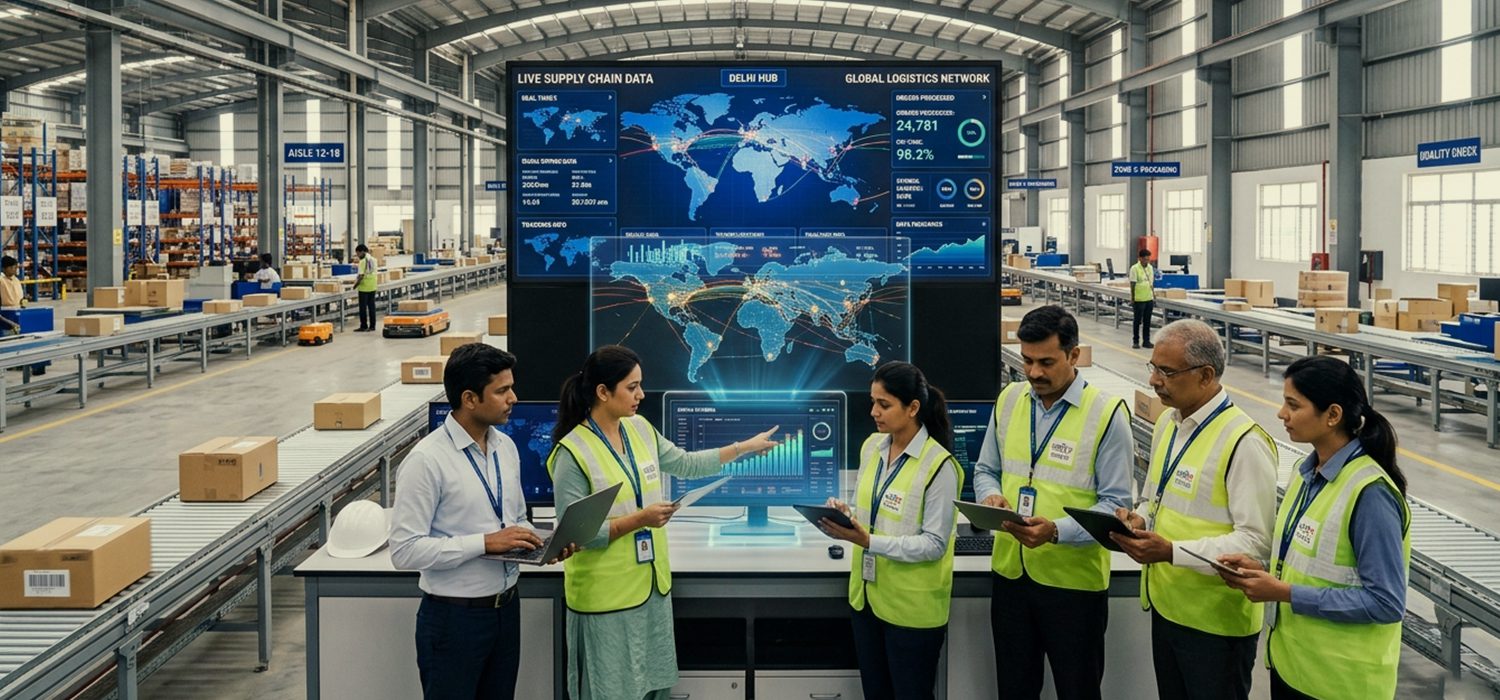
Modern manufacturing facilities increasingly rely on data to identify inefficiencies before they escalate. Predictive maintenance systems reduce breakdown risks. Energy monitoring tools allow granular tracking of consumption patterns.
Technology, when deployed responsibly, strengthens both governance and sustainability. It embeds accountability into everyday operations.
The Human Dimension of Responsible Production
Manufacturing responsibility extends beyond environmental considerations. It encompasses people.
Safe working environments, structured training programmes as well as transparent labour practices are not peripheral policies but they are the foundational principles. Productivity and safety reinforce a business and are not competing priorities.
When the well-being of the workforce is prioritised, operational continuity is enhanced, quality standards rise organically, and employees feel safe and appreciated.
Sustainable manufacturing is built as much on human capital as on physical infrastructure.
Elitecon International Limited: Responsibility Embedded in Structure
Within this evolving landscape, Elitecon International Limited (EIL) represents a model of measured, system-led expansion.
As a publicly listed FMCG organisation, we combine legacy manufacturing strength with future-focused execution. Our growth strategy is neither opportunistic nor reactive. It is anchored in high-demand consumer segments including snacks, edible oils, and essential FMCG categories where demand visibility, distribution depth, and operational efficiency define long-term competitiveness.
Crucially, Elitecon manages its supply chain end-to-end from sourcing and manufacturing to warehousing and distribution. This vertical integration enables:
- Stronger quality assurance
- Greater cost visibility
- Reduced operational leakages
- Faster response to demand shifts
Responsibility, in this context, is not a narrative. It is embedded in operational architecture.
Such structural control offers more than protecting margins and supports responsible manufacturing practices throughout the value chain.
Why Small Changes Matter More Than Grand Statements
In the manufacturing ecosystem, incremental discipline compounds over time:
- A marginal reduction in water usage per unit
- A minor improvement in packaging material efficiency
- A slight enhancement in energy management systems
- A modest reduction in logistics wastage
Individually, these actions may appear modest. Collectively, across millions of units, they create measurable environmental and financial impact.
Responsible manufacturing does not rely on dramatic transformation. It relies on consistency.
The Strategic Advantage of Responsibility
In 2026 and beyond, regulators will tighten standards. Consumers will demand transparency. Investors will prioritise governance and sustainability metrics alongside financial returns.
Companies that integrate responsibility into operations today will not need to retrofit compliance tomorrow.
Responsible manufacturing is, therefore not only an ethical imperative, it is a strategic advantage.
The future of FMCG belongs to organisations that understand a fundamental truth:
Scale without responsibility is fragile.
Scale with discipline endures.